Manufacturing
- Details
- By David Cao
- Hits: 461
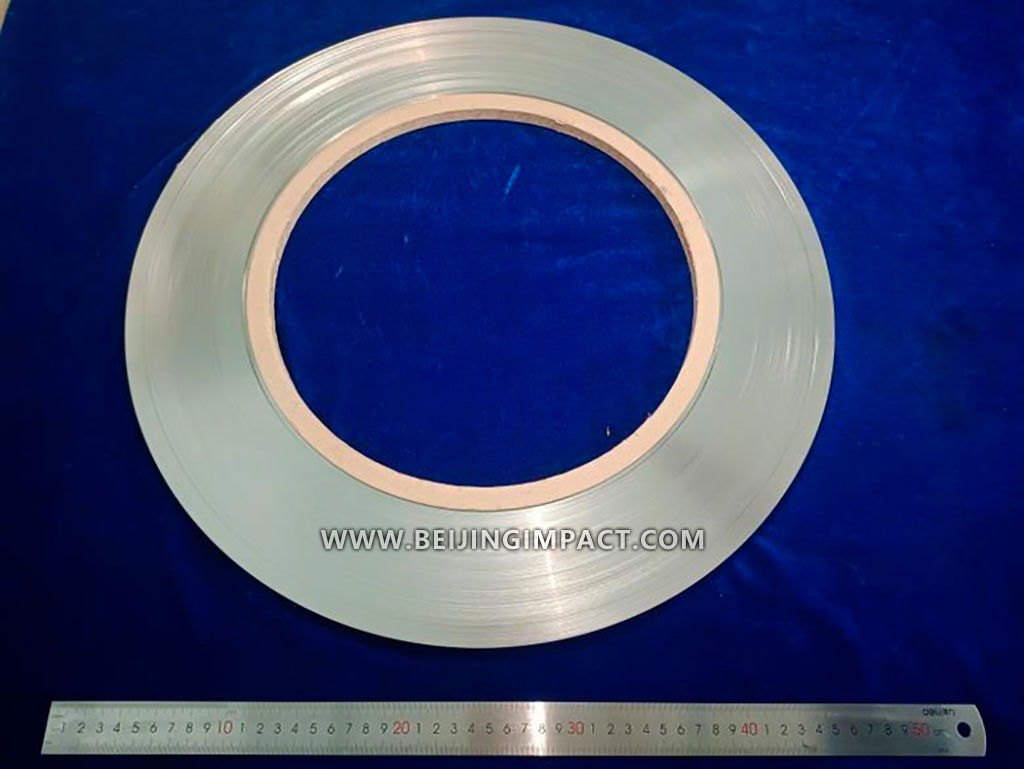
China REBCO C276 2025
China has achieved a significant breakthrough in developing key materials for controlled nuclear fusion, a crucial component of the country's "artificial sun" project, researchers at the Institute of Metal Research under the Chinese Academy of Sciences told the Global Times on Tuesday.
Recently, a research team led by Professor Rong Lijian at the institute developed a domestically innovated purification technology that broke through the technical bottleneck in metallic substrates for second-generation high-temperature superconducting tapes used in controlled nuclear fusion. The team successfully achieved the industrial-scale production of high-purity, ton-level Hastelloy (C276) metallic substrates, according to a statement that the team sent to the Global Times.
Read more: China makes breakthrough in key core material for ‘artificial sun’ project
- Details
- By David Cao
- Hits: 350
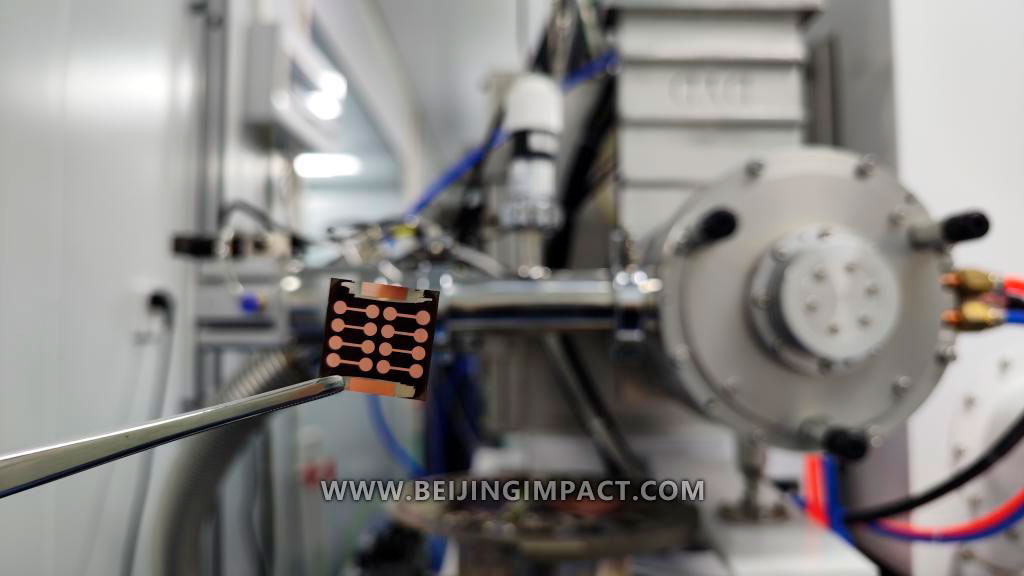
A joint research team in China has developed a new method that, for the first time, has enabled a key type of advanced perovskite solar cell to surpass the 30 percent efficiency threshold.
The groundbreaking research, led by Tan Hairen, a professor at Nanjing University, and Chang Chao, a professor at the National Sciences Institute of Innovation, was published on the Nature website on Tuesday, Beijing time.
Read more: Chinese research team sets efficiency record for next-generation solar cells
- Details
- By David Cao
- Hits: 384
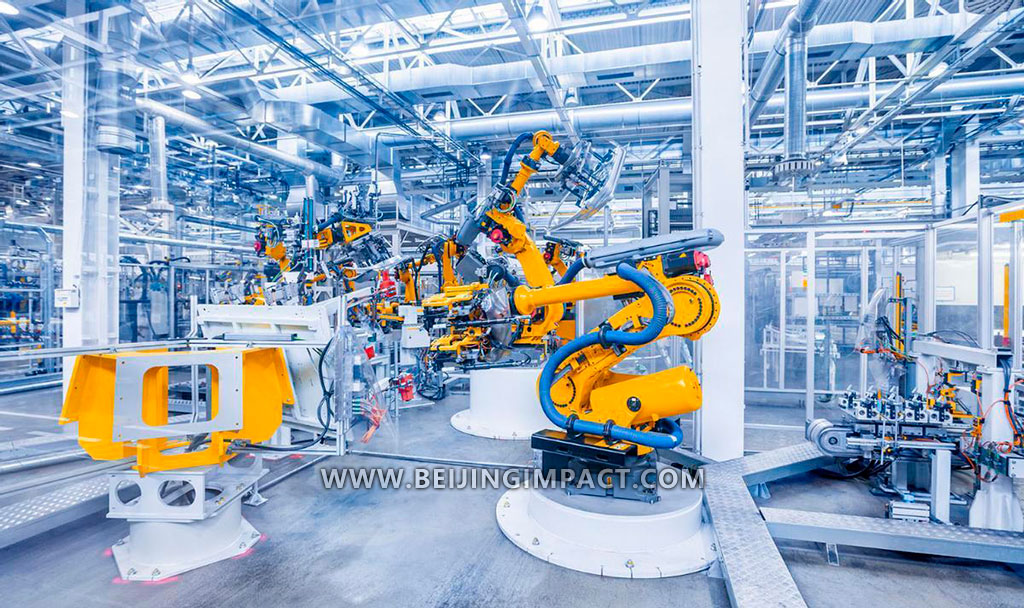
China's industrial firms posted faster revenue growth in the first nine months of 2025, with operating income up 2.4 percent year-on-year, driven by a rise of 8.7 percent in the profits of the high-tech manufacturing sector, according to data released by the National Bureau of Statistics (NBS) on Monday.
Major industrial firms recorded 5.37 trillion yuan ($745.8 billion) of profits from January to September, up 3.2 percent year-on-year, the highest cumulative growth since August last year, the NBS said.
Read more: China's high-tech manufacturing profits rise 8.7% in first 3 quarters 2025
- Details
- By David Cao
- Hits: 293
Industrial and supply chains, auto parts and intelligent and smart manufacturing are becoming new competitive advantages of China's automotive industry chain, industry players at the 32nd China-SAE Congress & Exhibition said.
Held in Southwest China's Chongqing Municipality from Tuesday through Friday, the event attracted more than 10,000 representatives from more than 30 countries and regions, according to the organizers. More than 210 auto companies attended the event.
From nuts and bolts to chips and power trains, exhibitors have put China's auto supply chain advantage and the latest new-energy vehicle (NEV) technology on full display.
Read more: Chongqing auto industry exhibition highlights China’s supply chain advantage
- Details
- By David Cao
- Hits: 455
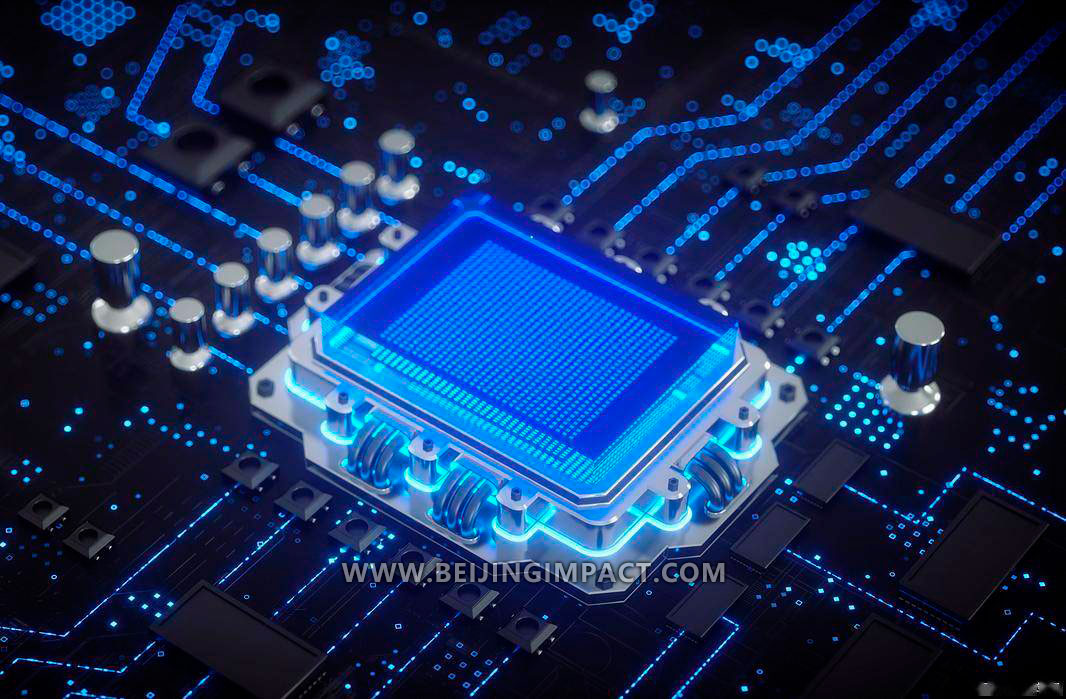
Chinese researchers have developed a spectroscopic chip with a novel technique that offers an unprecedented combination of exceptional resolution and a panoramic view, unlocking the potential for sharper, faster and wider scans of the universe.
While conventional high-resolution spectrometers are often bulky and heavy, the chip, named RAFAEL in English and Yuheng in Chinese, is the size of a mobile phone SIM card, researchers from Tsinghua University said. The study was published in the international journal Nature on Oct 15.
Read more: 2025 China's New chip sharpens, widens views of the universe
More Articles …
- 1st dual-fuel luxury Ro-Ro vessel GNV·VIRGO is delivered in Guangzhou China
- Innovations speed China modern industrials: electric vehicles, aerospace and others
- China's 600th launch of Long March rocket created new world class record
- China achieves important breakthrough in creating 'shield' for fusion reactor
Page 5 of 60